Blog

  • The Problem of Procrastination

    Procrastination

    Introduction

    Did you know that people usually don’t procrastinate because they care too little about something, but instead because they care too much? Procrastination is the action of unnecessarily delaying or postponing doing something(like work) even though you know you should be doing it. Almost everybody in the world suffers from procrastination, it’s simply human nature. In this blog, we will be going over what procrastination is, understanding it, and learning how to fight it.

    How it happens

    As said before, procrastination is when you delay tasks and put them aside to complete other tasks. It’s not just simply being lazy or being bad at time management, more like a complex behavior that roots from our psychology in the human brain. The general idea of procrastinating is that you put aside what you need to do, so you can focus on what you want to do.

    When we’re procrastinating, our mind is going through a battle between 2 parts of the brain. These parts are the prefrontal cortex & the limbic system. The prefrontal cortex is the part of the brain that deals with responsibilities, planning, decision-making, & self-control. It’s the part of your brain that tells you that you have a project due in 3 days and prompts you to start working on it. On the other hand, the limbic system is the part of your brain that deals with your pleasure desires. It’s the part of your brain that wants to do whatever makes you happy.

    Even though your prefrontal cortex is telling you that you have a massive project due in 3 days (that you’ve barely made progress on), your limbic system is telling you that finishing up the game you were playing—-will feel much better. Since your brain does end up feeling more pleasure, the limbic system will be the more favorable winner a lot of times.

    The consequences.

    Procrastinating can come with big consequences. A big consequence of procrastinating overtime is chronic procrastination. Chronic procrastination is when the habit of procrastination becomes a regular basis, & it begins to get in the way of sufficiently getting work & affecting your overall life.

    Chronic procrastination is linked to many negative behavioral psychological outcomes, such as:

    –Low self esteem:

    Constantly putting big tasks aside can leave you feeling like you are not good enough & make you doubt yourself. When you’re struggling to finish or submit tasks/goals on time, it can make you lose confidence in your ability to complete work.

    –Bad performance:

    Procrastination can lead to poor performance if you’re not finishing tasks up on time. Like in this case, If you procrastinate a lot in school (failing to meet deadlines, doing work last minute, etc..), your grades will likely reflect on how you handle your procrastination. When you’re rushing to do work at the last minute, you will probably have less quality/effort put into your task and therefore you will perform more poorly on it & get a bad grade.

    –Depression:

    The guilt/stress you feel from procrastinating can accumulate and catch up to your mental state. The more work you pile up while procrastinating, can cause you to have anxiety and put pressure on you the more you don’t start them sooner. If the pressure and anxiety keep building up, it can lead you to feel hopeless that you will not be able to finish & cause you to be upset at yourself.
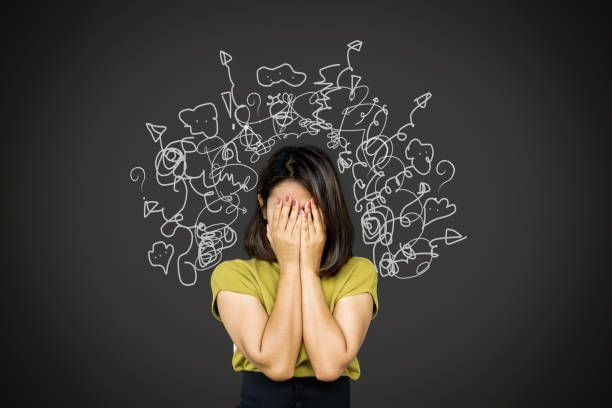
    consequence of procrastination

    Learn more about the consequences of procrastination in this video: What Happens When You Procrastinate Too Much

    Why the cycle repeats

    The reason why we keep procrastinating over and over again is because of the way our brain perceives procrastination. When we finish work at the last minute, our brain receives a spike of dopamine & a sense of euphoria from completing the task under the pressure of doing it at the last minute.

    Because we feel that dopamine & euphoria spike, it leaves an impression in our brain that procrastination is a “good” thing & it will likely repeat doing it the next time you have to complete work & put it aside. Additionally, since the pleasurable act we are favoring over work also makes us feel good, it will boost your psychological likelihood of procrastinating again the next chance you get.

    Procrastinating can make you think you are doing something good for yourself because you feel pleasure from procrastinating. When we’re putting what we need to do aside to do something we enjoy, our brain thinks it’s doing the right thing because you’re feeling better.

    The sense of euphoria you feel when you complete the work that’s piled up last-minute also reinforces your brain to think that you just did something amazing, & will positively associate procrastination as a “positive” thing. So even though you know procrastination is not good for you, your brain perceives it differently from you.

    How to fight procrastination

    Even though procrastination is one of the toughest struggles that almost everyone goes through, there are definitely several ways to beat it.

    –Give yourself a tangible outcome in which you can see yourself finishing that task that you’re trying to complete. A research study conducted in 2011 showed that a group of people who were shown what they would look like were more likely to say that they would save money towards retirement, than compared to those who were not shown the picture. If you can visualize yourself completing a task, visualizing yourself at the finish line, you are more likely to work yourself towards that goal.


    –Breaking a large task down into smaller tasks and taking it one step at a time will put your mind at better ease to make the bigger picture seem more achievable when it comes to completing it than if you tried to complete the picture all at once.

    For example, if you’re doing a 700 word essay, it’d be easier to break the 700 words down by telling yourself to break the one big 700-word essay into smaller 150-word paragraphs. Yes, it’s the same thing, but if you struggle at looking at the bigger picture, it could put your mind at ease & help you complete the task easier.


    –Think about why you’re procrastinating. Ask yourself what the root of your procrastination is. If you’re able to identify the reason for your procrastination, you will better be able to tackle the procrastination itself. Sometimes it’s just easier for the brain to tackle procrastination when we’re aware of why we’re even setting the task aside.

    For example, let’s say you’re on the game & you have an assignment due at 10:00 PM and you continue to procrastinate by playing the game. If you take a moment to be mindful as to why you’re procrastinating, you would understand that you’re likely procrastinating just because you want to have more fun by playing the game. With that awareness in mind, you can take steps to overcome the reason for your current procrastination.

    Conclusion

    Procrastination can have depreciating effects on your work ethic and overall life, but it’s normal. Everybody goes through procrastination in their life. In this blog, we went over what procrastination is, & understanding it. We also talked about why it continues, & came up with solutions on how to fight it. We discussed that continuous procrastination can overtime lead to chronic procrastination, which can lead to negative effects such as low self esteem, depression, & poor performance.

    Now that you’ve read your way around procrastination and how it works, do you think you’re ready to fight your procrastination the next time you’re faced with it?

    Sources

    https://www.youtube.com/watch?v=IoJx9sXeP34

    https://www.youtube.com/watch?v=NIn7opOQWGQ

    https://www.youtube.com/watch?v=GvXBACCuKmg

    https://www.psychologytoday.com/us/basics/procrastination

  • Personal Journey Reflection of a Web Design & Development – Freshman Year

    Personal Journey Reflection of a Web Design & Development – Freshman Year

    In this blog post, I’m gonna be reflecting over my journey in web design & development throughout my freshman year. I’ll be sharing the insights, & growths that I experienced from this growing year of my education. Additionally, I’m gonna be addressing some key concepts, projects, or techniques that significantly affected my learning journey. In this post, I aim to give my personal perspective on my early beginnings of web development & designing education.

    Some foundational concepts I learned this year are HTML and CSS. These were heavily taught throughout the year and were constantly honed to be better as the year went on. HTML and CSS were the main concepts to be learned of the year. They contributed to my growth because they showed me a glimpse of how code behaved & how it can be manipulated. It also contributed to my growth because they are how websites are made, and so learning them would help me in my web development journey.

    Some projects that stood out to me are the animal project and the country website. These stood out to me because they were reliant on what I could do, and I didn’t have a foundation of how to make the website or what to make it look like. It was all up to my own creativity and imagination to create the website. Additionally, because I was forced to use my own creativity & resources, it forced me to grow. It forced my skills to improve because I had to improvise & figure out ways to do things myself.

    I’ve made a lot of progress throughout this year and have a lot of goals for the upcoming years in web development. I plan to learn Javascript & learn how to create more responsive websites.

    Overall, this year has shown me a lot in web development & design. I think I learned a lot for a first year, & I hope to learn more in the coming years of my education. I learned many fundamental concepts that built a base for me to build upon with the coming years. Additionally, projects honed & strengthened my web development skills throughout the year. I think this year was very satisfactory for learning web development.

  • Project Reflection and Personal Critique

    Project Reflection and Personal Critique

    In this blog post, I’m gonna go over one of my projects that I’ve completed this year (animal website project). I will be evaluating different aspects of my work ethics that I put into completing the project, such as challenges faced, my strengths, my weaknesses, & more. Additionally, by evaluating the project, I will go over how I would approach finishing another project in the future.

    My overall strengths in the projects were getting things to be how I wanted. If I thought of an idea that I could implement in the website & wanted it in, then I would have little trouble finding a way to get it exactly how I imagined. For example, on an image button, I wanted it so that the image button would ‘pop’ out when a user hovered their mouse over it. I was able to successfully implement this idea & got it to be just as I imagined in my head.

    My weakness was getting it done on time & efficiently. The project had a due date that stretched to a month long. I waited the first couple weeks to just not do it at all, and then when the last couple of weeks came along, I sort of started working on it. By the time the last week had came, I was barely done and started cramming the project in time, even staying up til’ midnight to work on it. It was a mess.

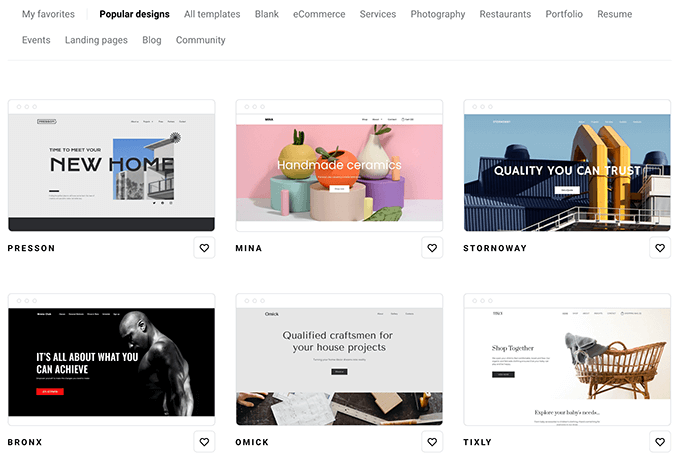
    How to Choose the Best Website Builder in 2024? (Compared)

    Some challenges faced when completing the project was coming up with creative ideas to set things up. For example, when I was making other pages for the website, I had to think of ways I could set the pages up. I couldn’t just use the same layout as I did for the first page I completed, then the entire website would just be bland. I had to try to think creatively as to how things should’ve been to keep variety in the website, & that was probably one of the hardest parts that I faced.

    In this project evaluation, I discussed the different aspects in my work ethic that went into completing the project. I stated that I shined when it came to implementing ideas, but coming up with the ideas was a challenge. I had also stated that using time wisely to complete the project was a weakness for me. Based on this evaluation, if I were to complete future projects, I would try to be more open for ideas in my head, taking inspirations from others, thinking outside the box, (etc…) in order to fuel my creativity. Additionally I would also complete the project in a timely manner, starting & finishing the project in time.

  • How to Talk to a Web Developer

    How to Talk to a Web Developer

    Collaboration is really important when you’re a web developer. When you’re working on a group project, it’s real important that you make sure to talk to your group mates and share your ideas. Good communication is what makes the web development easier for the entire group. In web development, everybody is going to be working on their own share of the project, and each share is most likely different from another. If nobody’s sharing progress, we have no way to tell where everybody else is at. However, if we communicate better, we can make sure that everybody is on the same page & fix errors and just overall make the entire process a lot smoother.

    Understanding basic Web Development concepts is important because it helps you have more smooth conversations with people when you’re discussing about it. When people talk about web design, people can throw in words like: HTML, JAVASCRIPT, PHP, etc.. It’s important that you already know the concept and meaning of those words before hand so you know what the person is talking about. Additionally, when we understand basic concepts, it can also helps in the creation of websites, because you will know the terms for some things you see as you develop.

    Asking questions and for clarifications is a good habit to make when you’re puzzled over something in a group work. You should always be respectful when you’re asking the question/asking for clarification. Things like ‘excuse me’ or ‘can you please elaborate’ are things you can say. You should also be more specific with your question. For example, instead of saying something like ‘I don’t know how to do this’, say ‘how do you center a div'(if that’s what you’re trying to do). Additionally, you should always be paying attention and focused so that you do not have to be asking any questions or for any clarifications, but make sure to follow these basic rules if you ever do have the need to do so.

    Clarifying Questions

    Collaboration is key web development. When you’re working in a group coordinated work, it’s important that you’re talking with your group mates to keep in touch on the group progress. Additionally, it’s important to understand basic web development concepts because it can help make conversations with other developers smoother when you have a basic understanding of different concepts. When you’re in doubts or confused about something, you should always try to ask or clarify about it to your group mates, but do try to pay attention in the first place. Being attentive in the end will usually not require any clarification. By going by these principles, we can make collaboration in Web development more efficient.

  • Brown in Website Design

    Brown in Website Design

    Color plays a heavy role in influencing people psychologically. Different colors can make us feel different things. For example, colors like black and purple may evoke ominous or mysterious feelings. Similarly, colors like yellow and orange may strike more jolly or bright feelings. When we scheme out colors in our web design, we can sway users feelings and emotions to influence them to do something.

    Brown is a unique color when it comes to emotional influence. People usually associate it with warmth, stability, & reliability. Some examples of businesses or companies that use it are

    • YMC
    • Maggie Rose
    • UPS
    26 Brown Website Design Examples We Love [+ How To Make Your Own]

    These big names utilize brown in their web design so as to sway peoples opinion towards their brand.

    In conclusion, colors can play a big role in influencing peoples emotions. We can take advantage of this in web designing to sway people towards our brand. The color brown in particular can evoke feelings of reliability, warmth, & stability.

  • Website Color Trends 2024

    When was the last time you saw something sad in a commercial. Whatever it was, it most likely had the color blue tinted over it. That’s because blue is psychologically affiliated with emotions like sadness & sorrow. In web design, color also plays a big part. Just as commercials use colors like yellow and orange to convey happiness, websites do the same. For this reason, web designers are careful to pick out what colors they use to sway your emotions. So, how do color trends shape the digital landscape in 2024?

    Colors can have many psychological effects on user emotions & behavior. Colors like red & yellow can make someone feel excited, where as colors like blue may make someone feel sad or sorrowful (or maybe even calm & peaceful. Darker colors like black may give us a more mysterious mood, & so on. These psychological effects on emotions can influence behaviors on the user. For example, shades of red & yellow may make a person feel hungry & induce their appetite, so this may influence them to order at a fast food restaurant. Another example, colors like yellow may influence a person to listen to a peppy song-artist, & colors like blue may influence someone to listen to a more relaxing song-artist. The point is, colors can have an effect on not only peoples emotions, but also their behaviors.

    Types Of Painting Art: Styles, Mediums & Subjects | PICTOCLUB

    Now that we’ve went over the effects colors can have on users, we’ll talk about upcoming trends. in 2024, there are some colors that are expected to make their way to 2024. Colors like lavender strike emotions like peace & correlate technology to people minds. Colors like mint make users think of nature and futuristic things. These colors are based off of how people perceive colors nowadays, like what’s popular in art & modern design.